



What is a Conventional Mortgage?
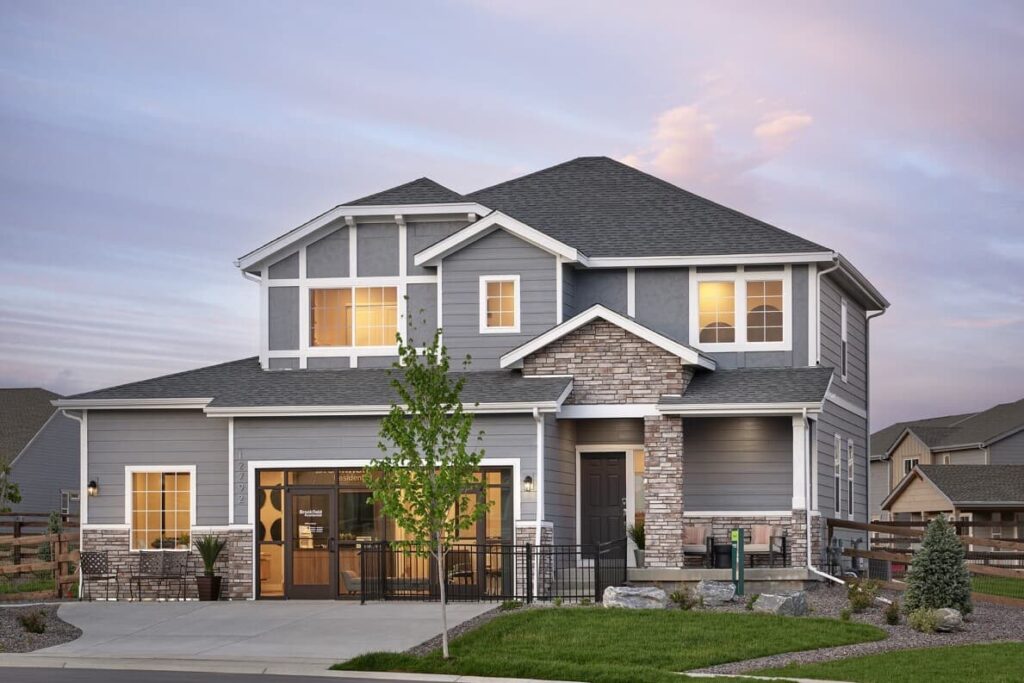
A Conventional Mortgage is one of the most common loans utilized to purchase real estate, but what actually is one and how does it vary from other mortgage types?
What is a Conventional Mortgage?
A Conventional Mortgage is a type of home loan that is not insured or guaranteed by the federal government. It is the most common type of mortgage used for home purchases and refinancing. Conventional mortgages can be offered by banks, credit unions, or other financial institutions and typically follow the guidelines set by government-sponsored enterprises (GSEs) like Fannie Mae or Freddie Mac.
Key Features of a Conventional Mortgage
Conventional mortgages have several key features that make them stand out from other types of loans. Let’s explore the main characteristics:
- Down Payment Requirements
- Conventional mortgages typically require a down payment of at least 3% to 5% depending on borrower eligibility, though some loans may require more, depending on the lender and loan type. If your down payment is less than 20%, you’ll likely need to pay for Private Mortgage Insurance (PMI), which protects the lender in case you default on the loan.
- Interest Rates
- With a conventional mortgage, you can choose between a fixed-rate mortgage, where the interest rate remains the same throughout the life of the loan, or an adjustable-rate mortgage (ARM), where the rate can fluctuate after an initial fixed period.
- Loan Limits
- Conventional loans may be conforming or non-conforming. Conforming loans follow the guidelines set by Fannie Mae and Freddie Mac, including loan limits, which vary by location. If a loan exceeds these limits, it’s considered a jumbo loan, which may come with stricter requirements and higher interest rates.
- Qualification Criteria
- To qualify for a conventional mortgage, you’ll generally need a good credit score, a stable income, and a debt-to-income ratio (DTI) that meets the lender’s guidelines. The more financially stable you are, the better your chances of getting approved for a competitive interest rate.
- No Government Backing
- Since conventional loans are not insured or guaranteed by the government, lenders take on more risk. This means that conventional mortgages often have stricter qualifications and may require higher credit scores than government-backed loans.
Pros of a Conventional Mortgage
A conventional mortgage can be a great option for many homebuyers. Here are some of the key benefits:
- Lower Interest Rates for Strong Borrowers: Borrowers with good or excellent credit can often secure competitive interest rates, sometimes lower than those offered by government-backed loans.
- More Flexible Loan Terms: Conventional loans offer flexibility in terms of loan amounts, repayment periods, and interest rates.
- No Mortgage Insurance with 20% Down: If you can put down at least 20%, you can avoid paying for PMI, which can significantly reduce your monthly payments. Unlike on FHA loans that require mortgage insurance regardless of LTV.
Cons of a Conventional Mortgage
While conventional loans offer several benefits, there are also some potential downsides:
- Private Mortgage Insurance (PMI): A down payment of 20% or more is often required to avoid PMI, which can be a challenge for first-time homebuyers or those without a large savings account.
- Strict Qualification Requirements: Conventional loans typically require a higher credit score and a lower debt-to-income ratio compared to government-backed loans such as FHA or VA mortgages.
Who Should Consider a Conventional Mortgage?
A conventional mortgage may be the best option for you if:
- You have a good credit score and can afford a down payment of at least 3% to 5%.
- You want more flexibility in terms of loan amounts and repayment options.
- You can afford to pay for PMI if your down payment is less than 20%.
- You prefer to avoid the government-backed loan programs and their associated requirements.
How to Apply for a Conventional Mortgage
The process of applying for a conventional mortgage is similar to other home loans. Here’s a basic overview of the steps involved:
- Get Pre-approved: Before you start shopping for a home, it’s a good idea to get pre-approved for a mortgage. This will give you an estimate of how much you can borrow and help you determine your budget.
- Shop for Lenders: Compare different lenders to find the best interest rates and loan terms for your needs or use a Mortgage Broker like us and we’ll do the shopping for you.
- Provide Documentation: Be prepared to provide documentation such as proof of income, tax returns, and credit history to your lender.
- Close the Loan: Once you’ve been approved, you’ll go through the closing process, where you’ll sign the final paperwork and take possession of your new home.
Conclusion
A conventional mortgage is a popular and flexible option for homebuyers who have a strong financial profile. With competitive interest rates and a range of loan options, it’s a great choice for many buyers. However, it’s important to weigh the pros and cons and ensure that you meet the necessary requirements before deciding on your loan type.
Mortgages can be confusing which is why we’re here as professionals to help find a solution tailored to you and provide 24/7 support for all of your financing needs.
Reach out to us any time to learn more about our loan options, We’re always available & here to provide expert guidance and support for you!
Know someone who might enjoy this article? Feel free to share it with them.
